
Workplace safety is not just a regulation—it is a responsibility. Among the essential personal protective equipment (PPE), safety vests hold a crucial place, especially in environments where visibility is a matter of life and death. Whether it’s a construction site, road maintenance project, or industrial zone, the safety vest is more than a piece of clothing—it’s a shield against accidents.
The Role of Safety Vests in Workplace Safety
Every year, thousands of workplace injuries and fatalities occur due to poor visibility. Workers operating in low-light conditions, heavy traffic zones, or crowded industrial environments are at constant risk. A brightly colored, reflective safety vest ensures that these workers stand out, making them visible to drivers, machine operators, and co-workers even from a distance.
Visibility is the first line of defense. Imagine a construction site at dusk or a busy road repair zone—without proper visibility gear, the chances of accidents multiply. Safety vests reduce these risks by enhancing visibility both during the day with fluorescent colors and at night with reflective strips.
Understanding Risk Before Choosing the Right Vest
Different work zones have different levels of hazards. A low-traffic area where forklifts operate indoors requires different visibility standards than a high-speed highway work zone. Before selecting the right vest, it’s essential to identify the specific challenges of your worksite—lighting conditions, traffic speed, weather, and job complexity all play a role.
Once the environment is analyzed, you can match the vest type to the risk. For example, a worker in a moderately busy area may only need a Class 1 vest, while those working on highways or in stormy conditions will require a Class 3 vest with maximum visibility.
Matching Standards and Compliance
Regulatory bodies like OSHA and ANSI have set clear guidelines for high-visibility safety apparel. These standards ensure that vests meet minimum brightness, reflectivity, and design requirements for specific job conditions.
- Class 1: Best for low-traffic environments such as warehouses or parking lots.
- Class 2: Ideal for moderate traffic zones, construction areas, and complex job sites.
- Class 3: Required for high-risk zones like highways, airports, and emergency response areas.
Choosing a vest that complies with these standards not only ensures safety but also helps businesses avoid penalties for non-compliance.
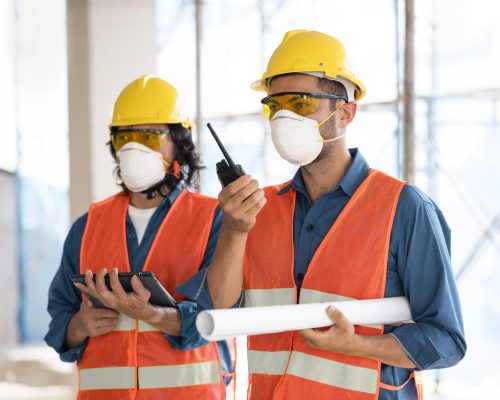
“Safety Vests: A Small Step for a Safer Tomorrow”
Types of Safety Vests and Their Importance
Safety vests come in various types to cater to different job roles and environmental needs. Here are some common variations:
- Fluorescent Vests: Usually in neon colors like orange, green, or yellow for daylight visibility.
- Reflective Vests: Equipped with reflective strips for night work or low-light environments.
- Mesh Vests: Lightweight and breathable, suitable for hot weather conditions.
- Solid Fabric Vests: Provide durability and extra storage with pockets for tools or radios.
Selecting the correct type of vest based on your job is crucial. For instance, night-time highway work demands reflective vests, whereas daylight construction might only need fluorescent vests.
Building a Culture of Visibility and Safety
Safety gear is effective only when it is used consistently and correctly. Employers should establish strict policies that make wearing a safety vest non-negotiable. Regular training sessions can help workers understand why these vests matter and how to maintain them. A torn or faded vest is almost as dangerous as no vest at all because it reduces visibility.
Developing this habit across teams ensures that safety becomes a shared responsibility rather than a forced rule. Leadership should also set an example by wearing the proper gear during site visits.
Benefits of Wearing Safety Vests
The advantages go beyond compliance:
- Reduced Accident Rates: Increased visibility means fewer collisions and mishaps.
- Enhanced Team Coordination: Different colors for supervisors, engineers, and workers help in quick identification.
- Regulatory Compliance: Avoid fines and penalties by meeting PPE standards.
- Positive Workplace Image: Demonstrates a company’s commitment to worker safety.
Facts and Figures That Prove Their Worth
- OSHA reports show that wearing high-visibility gear reduces accidents by nearly 47%.
- More than 60% of road accidents involving workers occur due to poor visibility.
- In construction zones, 3 out of 4 fatalities are linked to low-visibility conditions.
These statistics underline the importance of something as simple as wearing a vest.
Tips for Choosing and Maintaining Safety Vests
- Select the right class of vest for your environment.
- Replace worn-out or faded vests immediately.
- Ensure the vest fits properly and doesn’t obstruct movement.
- Store in a clean, dry place to maintain reflective quality.